Wrong Lane, Full Trolley, Zero Regrets: The Checkout Chaos That Defines the Australian Soul
There is a moment — and every single Australian knows this moment — where you've committed to a checkout lane, watched the bloke ahead of you produce a cheque book from 1987, and made the silent, iron-clad decision that you will die in this queue before you admit you picked wrong.
This is not stubbornness. This is culture.
The Australian checkout experience is less a retail transaction and more a psychological endurance event with bad lighting, a beeping conveyor belt, and a very real chance of spiritual collapse somewhere between the chocolate bar rack and the card reader that doesn't like tap.
The Gravity of the Worst Lane
Science cannot explain it. Retail consultants have tried. The simple fact is that Australians are magnetically drawn to the slowest possible checkout lane with the unerring accuracy of a heat-seeking missile pointed directly at their own Thursday afternoon.
You scan the registers. One lane has two people and both have modest baskets. Another has a woman with a trolley the size of a small yacht, a toddler actively dismantling a chip display, and what appears to be a price check situation already in progress. You choose the yacht.
Why? Nobody knows. It might be the same instinct that makes us back into car parks and argue about Vegemite. It's deep in the national firmware.
What makes it worse — and this is the truly unhinged part — is that the moment you lock in, the other lane starts moving like it's been greased. Items scan. Cards tap. People practically sprint away with their bags. Meanwhile, your cashier has just discovered that the barcode on someone's bag of oranges has peeled off and the entire operation must now pause while someone radios the produce section like it's an emergency broadcast.
The Trolley Abandonment Dilemma
Now here's where character is truly tested: the mid-queue bail.
You've been in line for six minutes. Your items are on the belt. The person ahead of you is disputing the price of a tin of baked beans with the quiet, implacable fury of someone who has nowhere else to be until Tuesday. The lane next to you has opened fresh, with a new cashier who looks alert and capable and is actively waving people over.
Do you move?
The answer, for most Australians, is an anguished no. Because moving means admitting defeat. Moving means gathering your items back off the belt — the humiliating reverse conveyor shuffle — and rolling your trolley sideways through a gap that is definitely not wide enough, while the people behind you in your original lane watch with a mixture of pity and contempt.
The social cost is enormous. The time saved is maybe ninety seconds. The maths does not matter. You stay. You endure. You earn that receipt.
Self-Checkout and the Illusion of Control
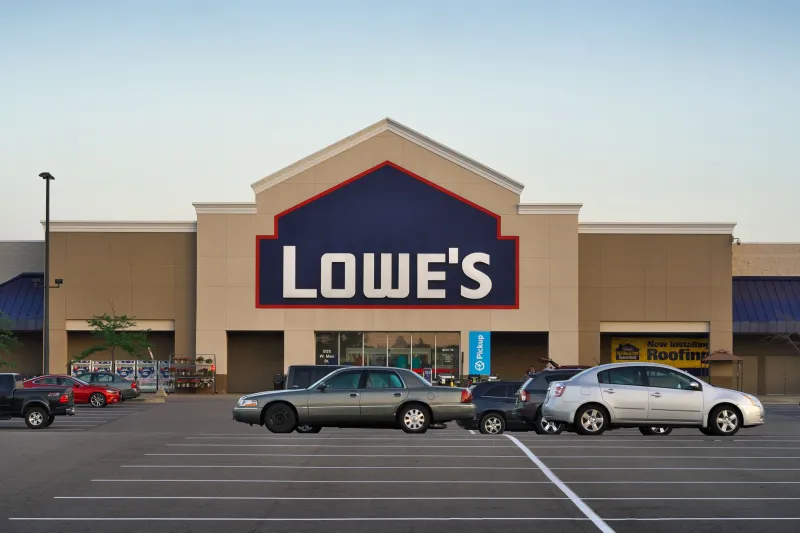
Bunnings rolled out self-checkout and Australians greeted it the way we greet most things: with cautious optimism followed almost immediately by low-grade chaos.
The self-checkout machine is, in theory, efficiency. In practice, it is a device specifically engineered to make you feel like you've failed a test you didn't study for. The "unexpected item in bagging area" alert is not a technical notification. It is a personal accusation. You know what you did.
What's fascinating is the territorial behaviour that emerges around self-checkout bays. Someone will plant themselves at a machine, scan one item, and then spend four minutes rummaging through their bag for their loyalty card while three people with arms full of timber screws and sealant quietly lose their minds behind them. The machine beeps. The person does not accelerate. The queue breathes as one organism.
There's also the unspoken self-checkout class system. The person with fourteen items using the express self-checkout knows exactly what they're doing and has made peace with it. The judgement from the person behind them with a single bottle of Glen 20 is real, it is sustained, and it will never be voiced aloud. That's the Australian way.
The Express Lane Is a Lie and Everyone Knows It
"12 items or less." Mate. Mate.
The express lane promise is perhaps the greatest fiction in Australian retail. The rule exists. The sign is right there. It is cheerfully, comprehensively ignored by a rotating cast of people who have clearly counted their items using a system of maths not recognised by any curriculum.
And yet — and here's the truly daggy part — nobody says anything. You count their items with your eyes. You count them again. You arrive at seventeen. You say nothing. You stare at the back of their head. You will discuss this with your partner in the car park with tremendous passion and then completely forget about it by the time you get home.
The express lane also has a peculiar energy divide. People in the express lane are always in a rush, obviously, that's the whole premise — but they're also somehow the most likely to pay with cash, ask for a bag, and then stand at the register reading their receipt like it contains prophecy.
The Register Loyalty Problem
Then there's the hardware store dimension, which adds its own layer of beautiful nonsense.
At Bunnings — and look, we've been here before, we'll be here again, it's basically a second home — the checkout situation is its own ecosystem. You've got the trade registers up one end, humming with efficiency and high-vis energy. You've got the regular registers in the middle. And then you've got the self-checkout bank that always seems to have at least one machine with a yellow caution cone next to it for reasons nobody ever explains.
The bloke who rocks up with a single box of screws and a length of conduit will inexplicably join the longest regular queue rather than use self-checkout, because he has a return to process and a question about trade pricing and possibly a yarn to have. The self-checkout queue, meanwhile, is moving beautifully, and nobody in the regular queue will acknowledge this.
This is not inefficiency. This is community.
The Quiet Dignity of Picking Wrong and Staying Anyway
Here's the thing about Australian checkout behaviour that nobody really talks about: it's not actually about speed.
If speed were the goal, we'd do the research. We'd read the queues better. We'd absolutely move lanes when a fresh register opens. But we don't, and the reason is that the checkout queue — for all its frustration and fluorescent-lit tedium — is one of the last truly democratic shared experiences in public life.
You're in it together. The wrong lane, the rogue price check, the self-checkout machine that's decided your avocado is an unidentified object — everyone suffers equally. And there's something quietly, stubbornly Australian about that.
You picked the wrong lane. You knew it within forty-five seconds. You're still there, twenty minutes later, loyalty card in hand, ready to tap.
No regrets. Just vibes. And a receipt you'll never look at again.