Gone by Half Two: The Baffling, Bread-Free Tragedy of the Bunnings Sausage Sizzle
It was 2:17pm on a Saturday in suburban Australia. A man — let's call him Trevor, because honestly he looked like a Trevor — stood at the Bunnings sausage sizzle table with the expression of someone who'd just been told his ute had failed a roadworthy. His eyes were hollow. His Stubbies were dusty. He had a five-dollar note folded in his hand like a tiny origami prayer.
"No bread," said the volunteer. "We ran out around one."
Trevor stared at the onions. The onions stared back.
This happens every single weekend, at every single Bunnings, across every single state and territory in this wide, sunburnt, carbohydrate-forsaken land. And nobody — not Wesfarmers, not the Rotary Club, not the bloke who definitely over-ordered the Windex — seems particularly fussed about fixing it.
We are. We're very fussed.
The Scale of the Catastrophe
Let's put some numbers around this. Bunnings operates over 300 warehouse stores across Australia. On any given Saturday, a significant chunk of those stores will host a charity sausage sizzle — a beloved institution that raises millions for local community groups each year. Australians, bless their meat-loving hearts, turn up in droves.
According to absolutely no official data we could be bothered sourcing, but based on vibes and lived experience, roughly 40% of sausage sizzle operations will exhaust their bread supply before 2pm. That's not a supply chain hiccup. That's a systemic failure of carbohydrate logistics at a national scale.
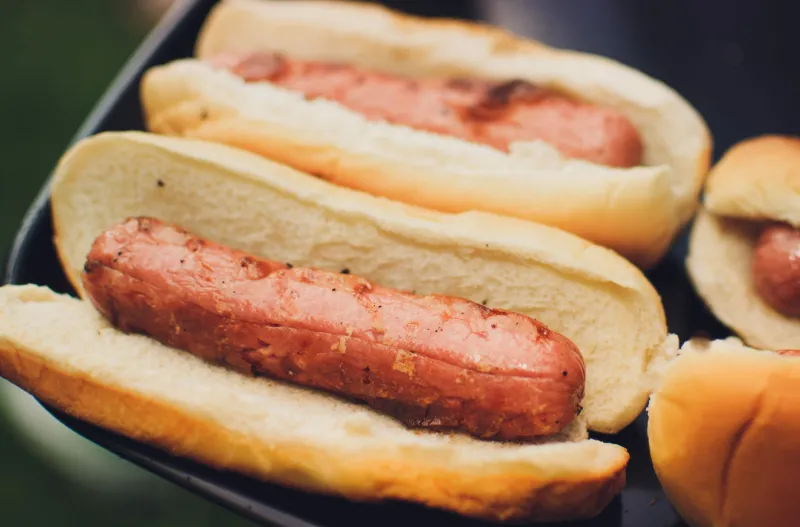
The snag itself is never the problem. The snags are fine. There are always snags. Mountains of them, sizzling away in their own glorious fat, filling the air with a scent so distinctly Australian it should be bottled and sold at the airport. The sausage is eternal. The sausage endures.
But the bread? The humble white bread roll that transforms a sausage from 'finger food at a crime scene' into 'Australia's most democratic lunch'? Gone. Vanished. Sold out before the tradies have even finished their second trip to the timber section.
A Volunteer Crisis in a Bun
To understand the shortage, you have to understand the sausage sizzle supply chain — and it is, to put it diplomatically, a bit of a shemozzle.
Each sizzle is run by a different community group: footy clubs, school P&Cs, Lions Clubs, scout troops, and an alarming number of organisations whose name appears to be entirely made up. Each group handles its own procurement. There's no Bunnings central bread depot. There's no algorithm optimising your roll-to-sausage ratio. There's Dave, who volunteered to do the Woolies run at 7am and bought what he thought seemed like heaps.
Dave was wrong. Dave is always wrong.
The bread decision is typically made by whoever drew the short straw at last Tuesday's committee meeting, based on a rough headcount from the previous year, minus the one time it rained, plus a gut feeling. This is not a criticism of Dave or his committee. These are good people doing good things for their communities. But somewhere between 'how many rolls do we reckon?' and 'oh bloody hell, we're out of rolls,' something has gone catastrophically sideways.
The Socioeconomics of the Missing Snag
Here's where it gets genuinely interesting, and also slightly sad.
The Bunnings sausage sizzle is one of Australia's great social equalisers. For two dollars — or three, depending on your moral stance on the onion-on-top debate — anyone can have a feed. Tradies, retirees, young families with a trolley full of garden edging, blokes who've been in the paint mixing queue for forty-five minutes and have earned something hot: everyone's welcome at the table.
But when the bread runs out, the snag becomes inedible in polite society. You can't hand a loose sausage to a toddler. You can't eat it standing up while balancing a flat-pack shelf. The bread isn't just a carbohydrate vehicle. It's the social contract. It's what makes the whole thing work.
Run out of bread, and you've not just failed your fundraising quota. You've broken something sacred.
Why Doesn't Bunnings Just Fix This?
This is the question that keeps us up at night. Well, this and the sound of the neighbour's dog.
Bunnings knows exactly how many people walk through their doors on a Saturday. They have loyalty card data, foot traffic sensors, and presumably a very large spreadsheet somewhere in Hawthorn. They know the sizzle happens. They know people want snags. They could, theoretically, offer some light logistical guidance — a suggested bread-to-expected-customer ratio, perhaps. A laminated cheat sheet. A gentle email to the Rotary Club.
But they don't. And there's a certain very Bunnings logic to this. The store provides the space, the power point, and the general ambiance of organised chaos. The rest is up to the community. That's the deal. That's always been the deal.
Which is admirable, really, right up until the moment you're standing at a table full of cooked sausages and a single sad container of fried onions, being told there's nothing they can do.
The Unofficial Workarounds
Regular Bunnings attendees have developed coping strategies, as Australians tend to do when faced with adversity.
The Early Bird Method involves arriving before 10am, which is frankly a bit keen for a Saturday but guarantees bread access. The Reconnaissance Technique sees seasoned shoppers scope the sizzle table before entering the store, assessing bread stock levels and adjusting visit timing accordingly. Then there's the Bread Backup Gambit, a controversial move where you duck into the adjacent Woolies or IGA, purchase your own roll, and return to buy just the sausage — a manoeuvre that technically works but generates significant side-eye from the volunteers.
None of these solutions are dignified. All of them are necessary.
A Call to Carbohydrate Action
We're not asking for much here. We're not demanding a federal inquiry, though honestly, stranger things have made it onto the Senate notice paper. We're simply suggesting that somewhere, in the great bureaucratic machinery of the Australian community fundraising ecosystem, someone should be tasked with making sure there are enough bread rolls.
Double the estimate. Then add twenty percent. Then add another ten for the bloke who comes back for seconds and the family of six that showed up at 1:45pm thinking they'd beaten the rush.
The snag deserves better. Trevor deserves better. Australia deserves better.
Until then, get there early, bring cash, and maybe — just maybe — keep a bread roll in the glovebox. You'll thank us later.